One Love Jamaica Family

Welcome to One Love Jamaica. What is One Love Jamaica About? We are all things Jamaican where we take you on journeys that will let you experience a little taste of Jamaica, Jamaican lifestyle, Jamaican Art and Craft, Jamaican Music, Food, Attractions, Our Whole Culture.

Showing 24 of 174 matching cached videos
Reset
Filters work best with these cache columns: category, sub_category, country, parish, town_community, and ad_free in simeya_tv_youtube_videos_cache.
174 Videos
Select from all matching cached videos. If the video is not visible in the current grid batch, it will be loaded into the lightbox playlist automatically.
I Found a Piece of India in Jamaica
31:02
I Found a Piece of India in Jamaica
#JamaicanCulture #Hosay #IndoCaribbean Deep in Clarendon, Jamaica, a 181-year-old tradition still survives — and it has nothing to do with reggae, and everything to do with a story that began in Karbala, Iraq. Hussay (also known as Hosay) is the Jamaican version of Muharram, brought to the island by Indian indentured labourers who first arrived at Old Harbour Bay on May 10th, 1845. It commemorates the martyrdom of Husayn, the grandson of the Prophet Muhammad — but in Jamaica, this Shia Muslim mourning tradition is now kept alive mostly by Hindu and Christian families, generations removed from their ancestors' original faith. In this video, I travel to Clarendon to witness the construction and parade of the Hussay Tadjah — a towering, hand-built structure that takes months to complete — and to speak directly with the families, like the Jagasars, who have carried this tradition forward for generations. We follow the procession through the streets, the Tassa drumming, and the final, solemn journey to the water's edge. This is a story about the Indian diaspora in the Caribbean — a community that is often overlooked, even within Jamaica itself — and about what it means to preserve identity, faith, and memory across oceans and centuries. If you're of Indian heritage, or have Caribbean roots, or you're simply curious about how Indian indentureship shaped communities far beyond India — this one's for you. Thank you for watching this video. Please like, share and subscribe for more video on all things Jamaican. Please also turn on post notification so you don't miss out when we post. ========================== Share and Subscribe https://www.youtube.com/channel/UCSvEjat9kDIunEnwh4ekIeg Follow us on Instagram: https://www.instagram.com/onelovejamaica_/ Follow and like us on FaceBook https://www.facebook.com/onelovejamaica1 One Love Jamaica
Jamaica (Original)
Published Aug 23, 2026
Simeya ▶ 0 Play 0 Share 0 💬 0
He Built This Life With His Bare Hands
20:13
He Built This Life With His Bare Hands
#OneLoveJamaica #JamaicaStrong #JamaicanHistory He couldn't read a single word as a young man in rural Jamaica. Today, Horace Ogilvie is a farmer, a historian, a tour guide, and a father to nine children — some his own, some not. This is his story, in his own words. In this episode of One Love Jamaica, we sit down with Mr. Horace Ogilvie — the same farmer and guide who led us up Judgement Cliff in St. Thomas — to talk about the parts of his life that never make it into the history books. He opens up about growing up unable to read, and the discipline it took to teach himself later in life. He talks about turning a small piece of land into a farming livelihood, his years of service with the Jamaica Agricultural Society, and his deep involvement in community groups across St. Thomas. He also shares how he cares for his wife through her recovery from a stroke — without ever framing his life around hardship. This isn't a story about what Mr. Ogilvie lacked. It's a story about what he built — literacy, land, family, and community — one decision at a time. It's a portrait of quiet Jamaican resilience, told by a man who refuses to dwell on the negatives. 🇯🇲 One Love Jamaica tells the stories of Jamaican people, places, and history that don't usually get told — the erased, the overlooked, and the underrepresented. Erased. But not gone. If this story moved you, like, comment, and subscribe for more real stories from the parishes of Jamaica. 📍 Filmed in St. Thomas, Jamaica Thank you for watching this video. Please like, share and subscribe for more video on all things Jamaican. Please also turn on post notification so you don't miss out when we post. ========================== Share and Subscribe https://www.youtube.com/channel/UCSvEjat9kDIunEnwh4ekIeg Follow us on Instagram: https://www.instagram.com/onelovejamaica_/ Follow and like us on FaceBook https://www.facebook.com/onelovejamaica1 One Love Jamaica
Jamaica (Original)
Published Aug 20, 2026
YouTube 👁 3.2K 👍 244 💬 29
Simeya ▶ 0 Play 0 Share 0 💬 0
The Last Gatekeeper of Jamaica's Railway
28:12
The Last Gatekeeper of Jamaica's Railway
#jamaica #hiddenhistory #railway In the hills of Leyton Valley, Portland, one woman still remembers the gate to a viaduct most of Jamaica has forgotten. Deep in Leyton Valley, Portland — along the old Bog Walk to Port Antonio branch line that once carried the island's banana trade to the world — we sat down with Miss Millicent Green, an elder whose memory stretches back to a chapter of Jamaica's railway history that few living voices can still tell. Miss Green shared the story of the woman she calls her mother — in truth, her aunt, who raised her — who she says operated the train gate at the viaduct crossing the Spanish River. It was a role that placed her at the heart of daily life in Leyton, watching over the crossing as trains carried Portland's banana harvest toward Port Antonio's ports. Miss Green also recounted one of the most vivid memories passed down to her: a flood that sent the Spanish River rising over the viaduct itself, and a daring rescue of a farmer caught in the rushing water. It's the kind of story that never made it into a history book — kept alive only because someone remembered to tell it, and someone else was there to listen. This episode of One Love Jamaica sits at the intersection of personal memory and documented history. The Port Antonio line, completed in 1896, was built to serve Portland's booming banana and coconut trade, and its bridges — including the older steel-beam crossings at rivers like the Spanish River — were once vital arteries of the parish's economy. Today, much of that infrastructure stands quiet, and the people who worked and lived alongside it are becoming harder to find. Miss Green's account is shared here as her own testimony and family memory — a piece of Portland's oral history that deserves to be preserved and heard in her own words.Thank you for watching this video. Please like, share and subscribe for more video on all things Jamaican. Please also turn on post notification so you don't miss out when we post. ========================== Share and Subscribe https://www.youtube.com/channel/UCSvEjat9kDIunEnwh4ekIeg Follow us on Instagram: https://www.instagram.com/onelovejamaica_/ Follow and like us on FaceBook https://www.facebook.com/onelovejamaica1 One Love Jamaica
Jamaica (Original)
Published Aug 16, 2026
YouTube 👁 289 👍 60 💬 2
Simeya ▶ 0 Play 0 Share 0 💬 0
We Found Jamaica's 'Baby Spring' in Hamwalk
27:26
We Found Jamaica's 'Baby Spring' in Hamwalk
#Jamaica #spring #hiddenjamaica The Baby Spring: Jamaica's Hidden Fertility River in St. Catherine Deep in rural St. Catherine, Jamaica, a small river head has been quietly protected by residents for generations. Locals call it the Baby Spring — a natural spring believed to help women who are struggling to conceive. This journey through St. Catherine took us to Pear Tree Grove, John Crow Spring, and the small community of Hamwalk, where we found this river head and spoke to the residents who've passed down its story for generations. The Baby Spring isn't documented in any official record. It exists the way most of Jamaica's hidden history does — passed down by word of mouth, protected by the people who live closest to it, and largely unknown outside the communities of rural St. Catherine. Pear Tree Grove and John Crow Spring sit tucked into the hills of St. Catherine, connected by the same rivers and streams that run through Hamwalk. These communities hold onto traditions and beliefs that rarely make it into Jamaica's written history — stories about the land, the water, and the people who depend on both. This is part of an ongoing series exploring Jamaica's hidden history — the communities, landmarks, and stories that don't make it into textbooks but live on in the people who call these places home. 📍 Pear Tree Grove, St. Catherine 📍 John Crow Spring, St. Catherine 📍 Hamwalk, St. Catherine 💧 The Baby Spring — Jamaica's Fertility River Legend A special thank you to Ricardo for guiding us through these communities once again. If you enjoyed this look into Jamaica's hidden history, subscribe for more untold stories from the parishes most visitors never see. Thank you for watching this video. Please like, share and subscribe for more video on all things Jamaican. Please also turn on post notification so you don't miss out when we post. ========================== Share and Subscribe https://www.youtube.com/channel/UCSvEjat9kDIunEnwh4ekIeg Follow us on Instagram: https://www.instagram.com/onelovejamaica_/ Follow and like us on FaceBook https://www.facebook.com/onelovejamaica1 One Love Jamaica
Jamaica (Original)
Published Aug 12, 2026
YouTube 👁 7.1K 👍 374 💬 34
Simeya ▶ 0 Play 0 Share 0 💬 0
Finding Jamaica’s Secret Jungle Ruins
32:32
Finding Jamaica’s Secret Jungle Ruins
#JamaicaHistory #Troja #JamaicaRailway Troja: Jamaica's Forgotten Banana Railway | Homecoming Tour with Ricardo Deep in the hills of St. Catherine, Jamaica's abandoned railway once carried bananas from Troja all the way to the export docks of Port Antonio. Subscriber Ricardo — a son of Troja — took us home to walk that history with him. Troja railway station opened in 1896 as a stop on the Bog Walk to Port Antonio branch line, about 31 miles from the Kingston terminus. Like the other stations on this Jamaica railway line, Troja served the surrounding agricultural community — giving local farmers a way to move bananas onto the line and out through the port. This branch of the Jamaica railway system was built to serve the island's booming banana trade in the late 1800s. It broke off from the existing Bog Walk railway and cut through the hills between St. Catherine and St. Mary, first serving the cocoa industry around Highgate and Richmond, before running north along the coast through St. Mary and into Portland — the epicenter of Jamaica's banana industry. That mountainous terrain between St. Catherine and St. Mary is why this stretch of railway needed such an extensive system of tunnels and bridges — engineering built to keep the banana trade moving from the interior to the coast. By the time this railway was running at full capacity, Port Antonio had become the global hub of the Jamaican banana trade — a business pioneered by American sea captain Lorenzo Dow Baker in 1870, and later expanded by the Boston Fruit Company, which became United Fruit. Bananas leaving Boundbrook Wharf in Port Antonio made this parish famous — the same wharf immortalized in "Day-O (The Banana Boat Song)." Walking Troja with Ricardo isn't just a trip down memory lane — it's a look at how one rural community, and the Jamaica railway line that ran through it, helped move an entire island's economy. 📍 Troja, St. Catherine 🚂 Bog Walk to Port Antonio Railway 🍌 Jamaica's Banana Export Era Thank you, Ricardo, for showing us home. Thank you for watching this video. Please like, share and subscribe for more video on all things Jamaican. Please also turn on post notification so you don't miss out when we post. ========================== Share and Subscribe https://www.youtube.com/channel/UCSvEjat9kDIunEnwh4ekIeg Follow us on Instagram: https://www.instagram.com/onelovejamaica_/ Follow and like us on FaceBook https://www.facebook.com/onelovejamaica1 One Love Jamaica
Jamaica (Original)
Published Aug 9, 2026
YouTube 👁 6.6K 👍 357 💬 45
Simeya ▶ 0 Play 0 Share 0 💬 0
Inside Jamaica's Craziest Independence Party
20:43
Inside Jamaica's Craziest Independence Party
#JamaicaIndependence #CroftsHillDonkeyCarnival #VisitJamaica Every year around Jamaica's Independence celebrations, the rural community of Crofts Hill in Northern Clarendon transforms into one of the island's most colourful gatherings — the Donkey Carnival. Revived 14 years ago by Raphael Simpson, this grassroots event has grown into a beloved Independence Day tradition, drawing Jamaicans from every parish and walk of life to watch donkeys race through the heart of the district. In this video, we take you inside the carnival atmosphere — the crowds, the culture, and the community spirit that makes Crofts Hill come alive each Independence season. It's a side of rural Jamaica rarely seen on camera: authentic, unfiltered, and rooted in local pride. Whether you're Jamaican at home, part of the diaspora abroad, or simply curious about unique Caribbean traditions, this is a look at how one small Clarendon community celebrates 64 years of Jamaican independence in its own unforgettable way. 📍 Crofts Hill, Northern Clarendon, Jamaica 🇯🇲 Jamaica Independence Day celebrations Thank you for watching this video. Please like, share and subscribe for more video on all things Jamaican. Please also turn on post notification so you don't miss out when we post. ========================== Share and Subscribe https://www.youtube.com/channel/UCSvEjat9kDIunEnwh4ekIeg Follow us on Instagram: https://www.instagram.com/onelovejamaica_/ Follow and like us on FaceBook https://www.facebook.com/onelovejamaica1 One Love Jamaica
Jamaica (Original)
Published Aug 7, 2026
YouTube 👁 21.3K 👍 404 💬 33
Simeya ▶ 0 Play 0 Share 0 💬 0
Jamaica’s Secret Emancipation Tradition
16:10
Jamaica’s Secret Emancipation Tradition
#TopHill #JamaicaEmancipationDay #DonkeyRace Hill Donkey Race: Inside Jamaica's Most Unique Emancipation Day Tradition | St. Catherine Every August 1st, while Jamaica celebrates Emancipation Day, the small community of Top Hill in St. Catherine hosts one of the island's most unique cultural events — a donkey race unlike anything else in the Caribbean. These aren't ordinary animals. Most of the year, these donkeys haul sugar cane for local farmers. Once crop season ends, the community turns their working animals into the stars of a festival that's grown from a backyard idea in 1992 into a beloved tradition drawing visitors from across Jamaica and the diaspora. In this video, we take you inside Top Hill on Emancipation Day — the community spirit, the Jamaican flag colors on full display, the police keeping the crowd safe, and the children's race that makes this one of the most family-friendly events on the island. This is more than a race. It's a celebration of freedom, family, and what it means to be Jamaican. Whether you're from Jamaica, part of the diaspora in the US, UK, or Canada, or simply curious about authentic Jamaican culture beyond the beaches and resorts, this is the real Jamaica — rural, joyful, and rooted in history. Thank you for watching this video. Please like, share and subscribe for more video on all things Jamaican. Please also turn on post notification so you don't miss out when we post. ========================== Share and Subscribe https://www.youtube.com/channel/UCSvEjat9kDIunEnwh4ekIeg Follow us on Instagram: https://www.instagram.com/onelovejamaica_/ Follow and like us on FaceBook https://www.facebook.com/onelovejamaica1 One Love Jamaica
Jamaica (Original)
Published Aug 2, 2026
YouTube 👁 33.4K 👍 724 💬 89
Simeya ▶ 0 Play 0 Share 0 💬 0
They Left This Church... And Never Came Back! Why?
21:41
They Left This Church... And Never Came Back! Why?
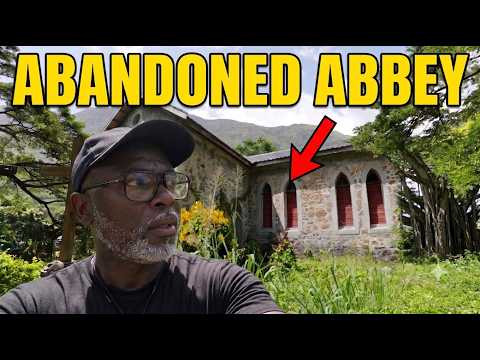
#jamaica #jamaicanhistory #hidden Tucked away in the hills of Llandewey, St. Thomas, Jamaica, stands a forgotten church known as the Abby — a piece of history that most people have never heard of, let alone seen. In this video, we explore Judgement Cliff, one of Jamaica's most fascinating natural landmarks, before making our way through the St. Thomas countryside to the Abby, an abandoned church standing quietly on its own. Along the drive, we talk about National Hero George William Gordon and Paul Bogle, and the role this region played in their journey through Jamaican history. Whether you're passionate about Caribbean history, abandoned places, Jamaican heritage, or off-the-beaten-path travel, this is a story about the places history left behind — and the questions they still raise today. Jamaica is full of locations like this: overlooked, unexplored, and rarely documented. This video is part of an ongoing series uncovering that side of the island — the Jamaica beyond the beaches. Thank you for watching this video. Please like, share and subscribe for more video on all things Jamaican. Please also turn on post notification so you don't miss out when we post. ========================== Share and Subscribe https://www.youtube.com/channel/UCSvEjat9kDIunEnwh4ekIeg Follow us on Instagram: https://www.instagram.com/onelovejamaica_/ Follow and like us on FaceBook https://www.facebook.com/onelovejamaica1 One Love Jamaica
Jamaica (Original)
Published Jul 30, 2026
YouTube 👁 9K 👍 383 💬 59
Simeya ▶ 0 Play 0 Share 0 💬 0
I Found Jamaica's Hidden Lost Viaduct
37:02
I Found Jamaica's Hidden Lost Viaduct
#JamaicaHistory #JamaicaRailway #ClarendonJamaica Searching for Jamaica's Lost Railway Viaduct at Crooked River, Clarendon | Jamaica Train History Join me on a journey deep into upper Clarendon to Crooked River — a key point on Jamaica's historic May Pen to Frankfield railway line. In this episode of One Love Jamaica, we trace the remains of the old railway route that carried passengers and citrus exports through the hills of Clarendon in the early 20th century, and explore what a viaduct actually is, how it worked, and why Jamaica's railway engineers relied on this kind of structure to cross the island's steep river valleys. Crooked River had its own railway station, with a stretch of track that crossed the Crooked River itself twice in quick succession nearby. Built to serve the booming citrus industry of Chapelton and Frankfield, this branch line was part of a much larger story: Jamaica's railway system, one of the earliest in the Western Hemisphere, which once connected rural communities across the island before falling into decline in the late 20th century. In this video, we cover: ✅ What a viaduct is and how it functions on a railway line ✅ The history of the May Pen to Frankfield railway branch ✅ Crooked River's role on the line ✅ The remnants that can still be found in Clarendon today ✅ The bigger story of Jamaica's railway system — from expansion to decline Thank you for watching this video. Please like, share and subscribe for more video on all things Jamaican. Please also turn on post notification so you don't miss out when we post. ========================== Share and Subscribe https://www.youtube.com/channel/UCSvEjat9kDIunEnwh4ekIeg Follow us on Instagram: https://www.instagram.com/onelovejamaica_/ Follow and like us on FaceBook https://www.facebook.com/onelovejamaica1 One Love Jamaica
Jamaica (Original)
Published Jul 26, 2026
YouTube 👁 24.1K 👍 978 💬 150
Simeya ▶ 0 Play 0 Share 0 💬 0
One Break Could Strand Jamaica's Airport
26:07
One Break Could Strand Jamaica's Airport
What Happens If Jamaica's Palisadoes Strip Loses Its Sea Defence? The Palisadoes strip is a 4,000-year-old sand tombolo — the thin strip of land connecting Kingston to Port Royal and Norman Manley International Airport. Without protection, it could be split apart by a single major storm. In this video, we break down the rock revetment protecting the Palisadoes: what it actually is (not a sea wall — a sloped, wave-absorbing barrier of boulders), why Jamaica built it, and what would happen to the tombolo, the airport, and Port Royal without it. You'll learn: What a tombolo is and how the Hope River built the Palisadoes over thousands of years The difference between a sea wall and a rock revetment Why the Palisadoes is a Ramsar-designated wetland of international importance How the 2010–2012 shoreline protection project was engineered to withstand a 1-in-100-year storm Why this stretch of coastline matters to Kingston, Port Royal, and everyone flying in or out of Jamaica This is part of an ongoing series uncovering the overlooked history, engineering, and heritage stories hiding across Jamaica — the places most people drive past without knowing what they're looking at. Thank you for watching this video. Please like, share and subscribe for more video on all things Jamaican. Please also turn on post notification so you don't miss out when we post. ========================== Share and Subscribe https://www.youtube.com/channel/UCSvEjat9kDIunEnwh4ekIeg Follow us on Instagram: https://www.instagram.com/onelovejamaica_/ Follow and like us on FaceBook https://www.facebook.com/onelovejamaica1 One Love Jamaica
Jamaica (Original)
Published Jul 23, 2026
YouTube 👁 36.4K 👍 1.2K 💬 124
Simeya ▶ 0 Play 0 Share 0 💬 0
What Is This Iron Giant Doing In Jamaica's Jungle?
35:10
What Is This Iron Giant Doing In Jamaica's Jungle?
#jamaicahistory #jamaica #trainhistory Deep in the hills of rural Jamaica, a railway was built that defied all logic. In 1896, engineers and laborers carved seven tunnels through Cromwell Mountain, threw iron bridges across river valleys, and laid 54 miles of track through terrain that had no business having a railway at all. This is the story of the Bog Walk to Port Antonio branch line — and the forgotten station at Troja that sat at the heart of it. Built to move bananas from the parishes of St Mary and Portland to the ships waiting at Port Antonio, this railway was one of the most ambitious infrastructure projects in Caribbean history. It connected communities, drove Jamaica's agricultural economy, and demonstrated a level of engineering skill that has never been fully acknowledged — until now. In this video, we explore the genesis of the Troja railway station, the construction of the legendary Cromwell Mountain tunnel network, the banana trade that made it all necessary, and the lessons modern Jamaica can draw from this remarkable chapter of its history. The train stopped running in 1978. But the evidence of what was built here never left. Thank you for watching this video. Please like, share and subscribe for more video on all things Jamaican. Please also turn on post notification so you don't miss out when we post. ========================== Share and Subscribe https://www.youtube.com/channel/UCSvEjat9kDIunEnwh4ekIeg Follow us on Instagram: https://www.instagram.com/onelovejamaica_/ Follow and like us on FaceBook https://www.facebook.com/onelovejamaica1 One Love Jamaica
Jamaica (Original)
Published Jul 19, 2026
YouTube 👁 82.2K 👍 2.6K 💬 314
Simeya ▶ 0 Play 0 Share 0 💬 0
Inside Jamaica’s Sacred Ancestral Ceremony
28:35
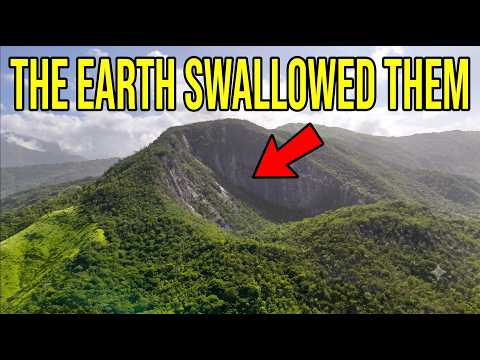
Inside Jamaica’s Sacred Ancestral Ceremony
#jamaica #jamaicaculture #Kumina #jamaicahistory #maroons Kumina is one of Jamaica's most powerful and least understood African-derived traditions — a religion, a music form, and a way of speaking to the ancestors that has survived nearly 200 years. In this video, we trace Kumina's true origin story, break down the music and movement behind the ceremony, and take you inside the annual Rebirthday ceremony held in Fairy Hill, Portland — an all-night ritual of drumming, dance, and ancestral connection that most Jamaicans have never witnessed firsthand. Unlike many Afro-Jamaican traditions, Kumina was not brought to Jamaica through slavery. It arrived after emancipation, carried by free Kongo people from Central Africa who came to Jamaica as indentured laborers in the 1840s–1860s. What they brought with them — the drumming, the language, the belief system — remains almost entirely intact today, still practiced in communities across St. Thomas, Portland, St. Mary, and St. Catherine. In this video you'll learn: 🥁 The real origin of Kumina and its connection to the Kongo Kingdom 🥁 How the bandu and playing kyas drums carry Kumina's rhythm and history 🥁 Why one of Kumina's drums was disguised as a rum cask 🥁 What "myal" possession means within the ceremony 🥁 What happens during the Rebirthday ceremony in Fairy Hill, Portland 🥁 How Kumina shaped Nyabinghi drumming and modern reggae and dancehall Thank you for watching this video. Please like, share and subscribe for more video on all things Jamaican. Please also turn on post notification so you don't miss out when we post. ========================== Share and Subscribe https://www.youtube.com/channel/UCSvEjat9kDIunEnwh4ekIeg Follow us on Instagram: https://www.instagram.com/onelovejamaica_/ Follow and like us on FaceBook https://www.facebook.com/onelovejamaica1 One Love Jamaica
Jamaica Portland Portland
Published Jul 12, 2026
YouTube 👁 30.2K 👍 1.3K 💬 223
Simeya ▶ 0 Play 0 Share 0 💬 0
We Climbed The Cliff That Buried a Town in 1692
36:10
We Climbed The Cliff That Buried a Town in 1692
#jamaica #jamaicahistory #judgementcliff We Climbed The Most Treacherous Part of Judgement Cliff — Here's What We Found We thought we knew what to expect taking on this section of Judgement Cliff. We were wrong. In this Part 2 follow-up, we (myself and Mr. Ogilvie) tackle the steep, unstable climb to the top of Judgement Cliff — battling loose limestone rock, brutal inclines, and the mental toll of not knowing if the next step will hold. What we found at the top, looking down into the crater, was worth every burning muscle. Judgement Cliff sits in Llandewey, St. Thomas, Jamaica — one of the most dramatic and least-understood landmarks in the country. In 1692, the same catastrophic earthquake that swallowed the pirate city of Port Royal into the sea also triggered a massive landslide here, burying an entire plantation and its owner beneath tons of rock and earth. Locals at the time believed it was divine punishment — God's judgement — for the plantation owner's cruelty, and the name has stuck for over 300 years. This time, we didn't just view Judgement Cliff from below — we climbed it. From thick bush terrain to stripped, jagged grey rock that looks like the earth itself was wounded, this hike pushed us physically and mentally in ways we didn't expect. If you missed Part 1, go check it out to see where this journey began. One Love Jamaica is dedicated to uncovering Jamaica's erased, overlooked, and underrepresented history and heritage — the stories that never made it into the textbooks. Subscribe and join the family as we explore the island one hidden story at a time. 📍 Judgement Cliff, Llandewey, St. Thomas, Jamaica Thank you for watching this video. Please like, share and subscribe for more video on all things Jamaican. Please also turn on post notification so you don't miss out when we post. ========================== Share and Subscribe https://www.youtube.com/channel/UCSvEjat9kDIunEnwh4ekIeg Follow us on Instagram: https://www.instagram.com/onelovejamaica_/ Follow and like us on FaceBook https://www.facebook.com/onelovejamaica1 One Love Jamaica
Jamaica
Published Jul 9, 2026
YouTube 👁 18.6K 👍 1K 💬 144
Simeya ▶ 0 Play 0 Share 0 💬 0
Jamaica’s Forgotten Cliff of Divine Retribution!
36:39
Jamaica’s Forgotten Cliff of Divine Retribution!
#jamaica #JamaicaHistory #JudgementCliff #HiddenJamaica They say only a man, his bull, and his dog survived when this Jamaican mountain "judged" a cruel plantation owner. But the real story of Judgement Cliff in St. Thomas, Jamaica is even more incredible than the legend. In 1692, the same earthquake that sank Port Royal beneath the sea also struck 15 miles away, tearing apart a mountain in St. Thomas and burying an entire settlement in seconds. For over 300 years, locals in Llandewey have passed down the folklore. But geologists have uncovered exactly what happened underground, and why this hidden layer of clay, shale, and gypsum caused one of the largest landslides in Jamaican history. This is the true story behind Judgement Cliff — where Jamaican folklore meets real geology, and a forgotten piece of history is finally uncovered. 🔔 Subscribe for more erased Jamaican history: [channel link] 📍 Judgement Cliff is located near Llandewey, St. Thomas, Jamaica — roughly 15 miles east of Port Royal, where the same 1692 earthquake struck. Thank you for watching this video. Please like, share and subscribe for more video on all things Jamaican. Please also turn on post notification so you don't miss out when we post. ========================== Share and Subscribe https://www.youtube.com/channel/UCSvEjat9kDIunEnwh4ekIeg Follow us on Instagram: https://www.instagram.com/onelovejamaica_/ Follow and like us on FaceBook https://www.facebook.com/onelovejamaica1 One Love Jamaica
Jamaica
Published Jul 5, 2026
YouTube 👁 26.7K 👍 1K 💬 143
Simeya ▶ 0 Play 0 Share 0 💬 0
Inside Jamaica's Secret Port: Left to Rot
33:34
Inside Jamaica's Secret Port: Left to Rot
#jamaica #jamaicanhistory #sugar Deep in Clarendon, Jamaica, the ruins of one of the most powerful private port operations in Caribbean history are slowly being swallowed by time. This is Salt River Port — built in 1954 by Wisco Wharves Limited, a subsidiary of British sugar giant Tate & Lyle — and almost nobody knows it existed. At its peak, Wisco Wharves controlled nearly 79% of all sugar leaving Jamaica. They owned the estates, the factories, the ports, and the ships that carried Jamaican sugar back to Britain and Canada. An entire industry — on an island that wasn't theirs. Today, the warehouses still stand. The name Wisco Wharves Limited is still on the wall. And the barges that once carried bulk sugar through the mangrove waterway to waiting cargo ships in Salt River Bay — are still in the water. Slowly sinking. This is the story they never told you. Thank you for watching this video. Please like, share and subscribe for more video on all things Jamaican. Please also turn on post notification so you don't miss out when we post. ========================== Share and Subscribe https://www.youtube.com/channel/UCSvEjat9kDIunEnwh4ekIeg Follow us on Instagram: https://www.instagram.com/onelovejamaica_/ Follow and like us on FaceBook https://www.facebook.com/onelovejamaica1 One Love Jamaica
Jamaica Clarendon Clarendon
Published Jun 28, 2026
YouTube 👁 29.6K 👍 1.1K 💬 138
Simeya ▶ 0 Play 0 Share 0 💬 0
Worlds Most Dangerous Tree Found In Jamaica
24:55
Worlds Most Dangerous Tree Found In Jamaica
#jamaica #manchineeltree #OneLoveJamaica The world's most dangerous tree grows right here in Jamaica. Most people walk right past it. Known in Spanish as manzanilla de la muerte — the little apple of death — the manchineel tree (Hippomane mancinella) holds the Guinness World Record as the most dangerous tree on Earth. Every part of it is toxic. The bark. The leaves. The fruit. Even the rain that falls through its branches. In this episode of One Love Jamaica, we track down this deadly tree along Jamaica's coastline — uncovering its hidden presence, its deep roots in Caribbean history, and why the village of Manchioneal in Portland carries its name to this day. In this video: Why the manchineel is certified the world's deadliest tree The fruit that looks like an apple — and almost killed a radiologist How Carib warriors used its sap to poison their arrows How that same sap killed Spanish conquistador Juan Ponce de León in 1521 The UWI Mona research that discovered a previously unknown poisoning symptom Where the tree is found along Jamaica's coastline today Why Manchioneal, Portland is named after this deadly tree The manchineel tree is not just a botanical curiosity. It is a living chapter of Caribbean history — of indigenous knowledge, colonial encounter, and nature's most elegant warning. And it has been growing quietly in Jamaica all along. Thank you for watching this video. Please like, share and subscribe for more video on all things Jamaican. Please also turn on post notification so you don't miss out when we post. ========================== Share and Subscribe https://www.youtube.com/channel/UCSvEjat9kDIunEnwh4ekIeg Follow us on Instagram: https://www.instagram.com/onelovejamaica_/ Follow and like us on FaceBook https://www.facebook.com/onelovejamaica1 One Love Jamaica
Jamaica Portland Manchioneal
Published Jun 21, 2026
YouTube 👁 219.8K 👍 3.9K 💬 584
Simeya ▶ 0 Play 0 Share 0 💬 0
What's Hiding Under the Bush in Porus, Jamaica?
28:07
What's Hiding Under the Bush in Porus, Jamaica?
#Jamaica #JamaicaRailway #ForgottenJamaica #OneLoveJamaica Jamaica once had a railway system that connected the entire island — from Kingston to Montego Bay, through the hills of Manchester, past stations, tunnels, and bridges that most Jamaicans have never heard of. In Porus, Manchester, the Jamaica Railway Corporation ran its tracks through some of the most challenging terrain on the island. To push the line westward toward Montego Bay in the 1890s, engineers built bridges, blasted through mountains, and carved a rail bed through the Manchester highlands that served Jamaica for nearly a century. Then in October 1992, the trains stopped. The stations emptied. The tracks went silent. But in Porus, something survived. Deep in the bush, three railway bridges — still standing, still intact — sit exactly where they were built over 130 years ago. Undocumented. Overlooked. Forgotten by almost everyone. This is the story of the Porus leg of the Jamaica Railway — its construction, its role in connecting Manchester to the rest of the island, and what remains of it today. Jamaica Railway Corporation | Jamaica Railway History | Porus Manchester | Manchester Jamaica | Jamaica Heritage | Forgotten Jamaica | Jamaica History | Colonial Jamaica Infrastructure | Jamaica Railway Bridges | One Love Jamaica Thank you for watching this video. Please like, share and subscribe for more video on all things Jamaican. Please also turn on post notification so you don't miss out when we post. Thank you for watching this video. Please like, share and subscribe for more video on all things Jamaican. Please also turn on post notification so you don't miss out when we post. ========================== Share and Subscribe https://www.youtube.com/channel/UCSvEjat9kDIunEnwh4ekIeg Follow us on Instagram: https://www.instagram.com/onelovejamaica_/ Follow and like us on FaceBook https://www.facebook.com/onelovejamaica1 One Love Jamaica
Jamaica Saint James Montego Bay
Published Jun 18, 2026
YouTube 👁 77K 👍 2.2K 💬 251
Simeya ▶ 0 Play 0 Share 0 💬 0
I Found the Ultimate Untouched Beach in Jamaica
23:32
I Found the Ultimate Untouched Beach in Jamaica
#jamaica #HiddenJamaica #StMaryJamaica Tucked along the northeastern coast of St Mary, Jamaica lies one of the island's last untouched stretches of shoreline — fifteen miles of raw, undeveloped coastline that most Jamaicans have never seen and the world has barely discovered. This is not a resort beach. This is Jamaica as nature left it. At the heart of this hidden coast is a secluded cove locals call the Blue Hole — crystal clear water, sheltered and calm, framed by lush tropical vegetation and ancient rock. No crowds. No entrance fee. Just one of the most breathtaking natural swimming spots in the Caribbean, hiding in plain sight along the shores of St Mary. We walk you through the wild beauty of this coastline, the close-knit fishing community of Robins Bay that has called it home for generations, and the untold history buried in the jungle just inland — where two waterfalls still carry the names of warriors from Jamaica's 1760 slave rebellion. If you thought you knew Jamaica, this will make you think again. 🔔 Subscribe for more hidden Jamaica — untold stories, forgotten places, and the beauty hiding in plain sight across the island. 📍 Location: St Mary, Jamaica 🎥 One Love Jamaica — Erased. But not gone. Thank you for watching this video. Please like, share and subscribe for more video on all things Jamaican. Please also turn on post notification so you don't miss out when we post. ========================== Share and Subscribe https://www.youtube.com/channel/UCSvEjat9kDIunEnwh4ekIeg Follow us on Instagram: https://www.instagram.com/onelovejamaica_/ Follow and like us on FaceBook https://www.facebook.com/onelovejamaica1 One Love Jamaica
Jamaica Saint Mary St Mary
Published Jun 14, 2026
YouTube 👁 51.9K 👍 2.2K 💬 253
Simeya ▶ 0 Play 0 Share 0 💬 0
Inside Jamaica’s Hidden Salt Flats: A Dead Sea?
30:45
Inside Jamaica’s Hidden Salt Flats: A Dead Sea?
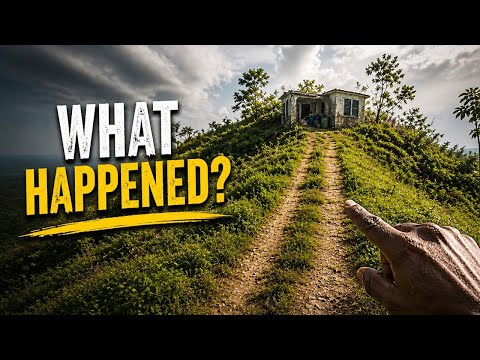
#jamaica #JamaicanHistory #HiddenJamaica Just one hour from Kingston, hidden in plain sight along the St Thomas coastline, two ancient salt ponds sit side by side — hypersaline, historically significant, and almost completely forgotten. The Yallahs Salt Ponds were born from one of the most catastrophic events in Caribbean history — the earthquake of June 7, 1692 — the same disaster that swallowed Port Royal into the sea. But while Port Royal gets all the attention, something equally extraordinary happened in Yallahs. The earth cracked open. The sea rushed in. And two separate ponds formed — up to 15 times saltier than the ocean — powered by nothing but Jamaican sun and three centuries of evaporation. In this video we break down the science of how it happened, the geology behind why there are TWO ponds and not one, and the local folklore that the people of St Thomas have carried for over 300 years — a story of two brothers, one woman, and a piece of land that the earth itself divided. We also ask the question nobody is asking — why is one of Jamaica's most remarkable natural phenomena sitting largely undeveloped while other countries build entire industries and tourism economies on far less? 🔍 IN THIS VIDEO: The science of land subsidence and how the 1692 earthquake created the ponds Why the water is up to 15 times saltier than the sea The 300-year-old folklore behind the twin ponds What Jamaica could be doing with this natural resource Why the Yallahs Ponds deserve a place on Jamaica's heritage map 📍 LOCATION: Yallahs, St Thomas, Jamaica Thank you for watching this video. Please like, share and subscribe for more video on all things Jamaican. Please also turn on post notification so you don't miss out when we post. ========================== Share and Subscribe https://www.youtube.com/channel/UCSvEjat9kDIunEnwh4ekIeg Follow us on Instagram: https://www.instagram.com/onelovejamaica_/ Follow and like us on FaceBook https://www.facebook.com/onelovejamaica1 One Love Jamaica
Jamaica Saint Thomas St Thomas
Published Jun 7, 2026
YouTube 👁 171.1K 👍 5.4K 💬 706
Simeya ▶ 0 Play 0 Share 0 💬 0
Why Did  This Jamaican Community Disappear?
48:36
Why Did This Jamaican Community Disappear?
#Jamaica #RuralJamaica #abandoned #onelovejamaica in the hills of St. Catherine, Jamaica, lies a community that time — and the government — forgot. Known in historical records as Doddington and called Darrington by the few locals who still remember it, this near-abandoned settlement near Point Hill tells a story that goes far deeper than overgrown ruins and empty foundations. In this video, we trek into one of Jamaica's most forgotten rural communities to uncover the truth about what happens when development never comes. 🗺️ What Was Doddington? Dating back to at least 1825, Doddington appears in Jamaica's colonial almanacs as a small private estate in what was then the Parish of St. John — a parish that itself no longer exists, having been absorbed into St. Catherine in 1867. The property was owned by two women, Isabella and Jane Pearson, and held a small number of enslaved people whose names were never recorded. Today, almost nothing remains. 🏚️ Why Did Darrington Disappear? Darrington is not unique. Across rural Jamaica, communities are dying — not from natural disaster, but from decades of neglect. No proper roads. No reliable infrastructure. No economic opportunity. When a community is consistently bypassed by development, residents are left with no choice but to leave. And when enough people leave, the community doesn't just shrink. It disappears entirely. 📍 What You'll See In This Video The trek to find Darrington in the hills of St. Catherine The history of the original Doddington estate dating to 1825 The connection to the erased Parish of St. John How Jamaica's rural communities are being lost to neglect and abandonment The human cost of underdevelopment in Jamaica's forgotten interior Jamaica has hundreds of communities like Darrington — places that once had life, had people, had stories — now fading quietly into the hillside. This channel exists to find them before they're completely gone. If you're new here, welcome. This is One Love Jamaica — where we surface the hidden, the erased, and the forgotten stories of our island. 🔔 Subscribe and hit the bell so you never miss a new upload. 👍 Like this video if you believe these stories deserve to be told. 💬 Drop a comment below — have you ever heard of Doddington or Darrington? Thank you for watching this video. Please like, share and subscribe for more video on all things Jamaican. Please also turn on post notification so you don't miss out when we post. ========================== Share and Subscribe https://www.youtube.com/channel/UCSvEjat9kDIunEnwh4ekIeg Follow us on Instagram: https://www.instagram.com/onelovejamaica_/ Follow and like us on FaceBook https://www.facebook.com/onelovejamaica1 One Love Jamaica
Jamaica
Published May 31, 2026
YouTube 👁 58.7K 👍 2.6K 💬 733
Simeya ▶ 0 Play 0 Share 0 💬 0
The Jamaican Village That Has Been Completely Abandoned
48:40
The Jamaican Village That Has Been Completely Abandoned
Deep in the hills of Clarendon, Jamaica — on the border of St. Catherine — sits a community most Jamaicans have never heard of. Its name is Goldmine. And it is almost gone. In this video I make the journey into one of Jamaica's most isolated and forgotten communities. The roads are rocky, steep, and unpaved. No taxi will enter. And when the Juan de Bolas River floods after heavy rain — there is no way in and no way out. Along the way I met a young schoolgirl named Jessica, making the long trek home on foot, stopping to round up her goats before dark. I had a brief chat with her adult sister and brother who gave permission. Simple people. Real people. The kind of people Jamaica tends to forget. Only a handful of residents still call Goldmine home. The young have left. The elderly remain. A pumping station metres away sends water to surrounding communities — but not a single drop reaches Goldmine. This is what abandoned looks like in Jamaica. Thank you for watching this video. Please like, share and subscribe for more video on all things Jamaican. Please also turn on post notification so you don't miss out when we post. ========================== Share and Subscribe https://www.youtube.com/channel/UCSvEjat9kDIunEnwh4ekIeg Follow us on Instagram: https://www.instagram.com/onelovejamaica_/ Follow and like us on FaceBook https://www.facebook.com/onelovejamaica1 One Love Jamaica
Jamaica Clarendon Clarendon
Published May 24, 2026
YouTube 👁 302.8K 👍 6K 💬 1.2K
Simeya ▶ 0 Play 0 Share 0 💬 0
Shot at 16, Now He Grows Food From His Bed
26:46
Shot at 16, Now He Grows Food From His Bed
#jamaica #OneLoveJamaica #DisabilityAwareness #kevinrobinson In Part 1, we introduced you to Kevin Robinson — the man from May Pen, Clarendon who was shot at 16, became a paraplegic, and wrote a book about it. That video stopped Jamaica in its tracks. In Part 2, we go deeper. We step inside Kevin's world and show you what a day in his life actually looks like. From his bed, Kevin Robinson does what most able-bodied people never do — he farms from his window, prepares his own meals, and produces his own coconut oil from scratch. This is not a man waiting on life. This is a man living it — fully, deliberately, and on his own terms. We also sit down to speak about Tanesha Hall, Kevin's neighbour, who has been one of his greatest pillars of support — standing beside him and his late grandmother through some of his darkest and most difficult years. Her quiet, consistent dedication is a story of community and humanity at its finest. Kevin also speaks further about his book — True Pain: A Real Life Story — a raw, honest account of surviving the unsurvivable, and what life looks like when you refuse to be defined by what was done to you. And for those asking — yes, a second book is on the way. 📖 GET THE BOOK Title: True Pain: A Real Life Story Author: Kevin Robinson 🇯🇲 Hard Copy (Jamaica): JMD $2,000 📦 Available on Amazon: Search "True Pain A Real Life Story Kevin Robinson" 📞 Contact Kevin Robinson directly: Tel: 876-421-1882Thank you for watching this video. Please like, share and subscribe for more video on all things Jamaican. Please also turn on post notification so you don't miss out when we post. ========================== Share and Subscribe https://www.youtube.com/channel/UCSvEjat9kDIunEnwh4ekIeg Follow us on Instagram: https://www.instagram.com/onelovejamaica_/ Follow and like us on FaceBook https://www.facebook.com/onelovejamaica1 One Love Jamaica
Jamaica Clarendon Clarendon
Published May 17, 2026
YouTube 👁 72.7K 👍 2.8K 💬 463
Simeya ▶ 0 Play 0 Share 0 💬 0
Shot at 16: 28 Years Paralyzed, Still Unbroken
40:03
Shot at 16: 28 Years Paralyzed, Still Unbroken
#jamaica #resilience #humanstories At 16 years old, Kevin Robinson was shot. He has been a paraplegic for the last 28 years. But this is not a story about tragedy — this is a story about resilience, survival, and the unbreakable human spirit. In this video, we sit down with Kevin Robinson from May Pen, Clarendon, Jamaica, as he shares his remarkable life story — the shooting that changed everything, the decades of rebuilding, the pain that became purpose, and the book he wrote to inspire others who are fighting battles the world cannot see. Kevin was raised by his grandmother, who stood by him through his darkest moments and never let him give up. Her love and sacrifice shaped the man he became. Sadly, she has since passed — but her legacy lives on in every word Kevin has written. Now, Kevin is working on a second book — yet to be published — proving that his story is far from over. 📖 GET THE BOOK Title: True Pain: A Real Life Story Author: Kevin Robinson 🇯🇲 Hard Copy (Jamaica): JMD $2,000 📦 Available on Amazon: Search "True Pain A Real Life Story Kevin Robinson" 📞 Contact Kevin Robinson directly: Tel: 876-421-1882 Thank you for watching this video. Please like, share and subscribe for more video on all things Jamaican. Please also turn on post notification so you don't miss out when we post. ========================== Share and Subscribe https://www.youtube.com/channel/UCSvEjat9kDIunEnwh4ekIeg Follow us on Instagram: https://www.instagram.com/onelovejamaica_/ Follow and like us on FaceBook https://www.facebook.com/onelovejamaica1 One Love Jamaica
Jamaica Clarendon Clarendon
Published May 10, 2026
YouTube 👁 55.6K 👍 1.5K 💬 282
Simeya ▶ 0 Play 0 Share 0 💬 0
Found A Secret Tunnel Hidden In Jamaica's Mountains
28:15
Found A Secret Tunnel Hidden In Jamaica's Mountains
#jamaica #JamaicaHistory #JamaicaRailway #HiddenJamaica #OneLoveJamaica Deep in the mountains of Manchester parish, Jamaica, there is a tunnel that most people have never heard of — and almost nobody talks about. The Comfort Hall railway tunnel is 688 feet of solid limestone, carved by hand over 130 years ago as part of what was once the most ambitious railway system in the Caribbean. Jamaica was the first country outside Europe and North America to have a working railway. But when the trains stopped running in 1992, communities like those surrounding this tunnel were left behind — and the history was buried with them. In this video we go inside the Comfort Hall tunnel — exploring its construction, the punishing mountain terrain that made it an engineering feat, the tragedy that struck just miles away, and what nature has done to reclaim it in the decades since the last train passed through. This is not a story you will find in any textbook. This is erased history — hiding in plain sight. One Love Jamaica 🇯🇲 Thank you for watching this video. Please like, share and subscribe for more video on all things Jamaican. Please also turn on post notification so you don't miss out when we post. ========================== Share and Subscribe https://www.youtube.com/channel/UCSvEjat9kDIunEnwh4ekIeg Follow us on Instagram: https://www.instagram.com/onelovejamaica_/ Follow and like us on FaceBook https://www.facebook.com/onelovejamaica1 One Love Jamaica
Jamaica Manchester Manchester
Published May 3, 2026
YouTube 👁 29.8K 👍 951 💬 113
Simeya ▶ 0 Play 0 Share 0 💬 0
Loading 24 matching videos at a time
Lightbox Page Browser
Showing videos